The Problem: A Massive Cloud Data Exposure
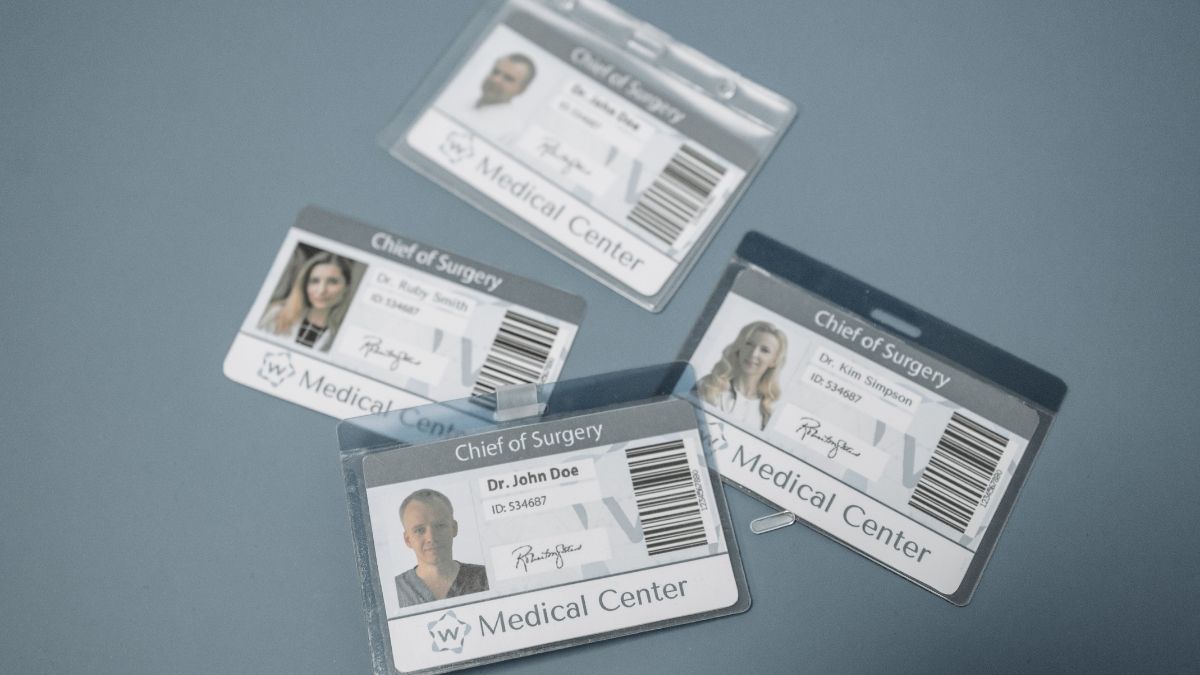
When you present your driver’s license at a car rental counter or hotel check-in, you expect the scan to stay private. However, a recent cloud storage breach at identity verification provider IDScan exposed roughly 150 million personal records. Names, dates of birth, driver’s license details, and passport images surfaced on dark web marketplaces, triggering investigations by federal authorities.
For everyday users, the primary threat here isn’t immediate device damage—it is identity theft. Fraudulent actors purchase these records to apply for loans in your name, open fake accounts, or craft convincing phishing scams tailored specifically to you.
The Guide: Assessing Your Risk Without Panic
Large data breaches sound intimidating, but headlines rarely tell the whole story. Hearing about a breach doesn’t mean your records were stolen. Managing identity theft requires a calm, methodical approach rather than sudden panic. At PC Matic, our goal is to help you cut through the noise, verify your risk, and take practical steps to safeguard your personal details.
Your 3-Step Action Plan
You don’t need to overturn your digital life to stay safe. Follow these steps to determine where you stand and reduce your exposure.
1. Verify Your Exposure Status: Before taking action, find out if your information was part of a leak. You can search compromised database records on Have I Been Pwned or look out for formal notification letters from organizations involved in the incident.
2. Lock Down Your Credit: If your state ID or license details were compromised, head over to IdentityTheft.gov to place a free freeze on your credit reports. A credit freeze blocks unauthorized lenders from opening new accounts under your name, giving you immediate control over your financial profile.
3. Stay Alert for Targeted Phishing: Scammers routinely use leaked personal details to make fake emails and text messages feel authentic. Review CISA’s cybersecurity advice to help spot suspicious messages trying to lure you into clicking unexpected links or attachments.
The Technology: A Smart Layer in Your Overall Security
Protecting your identity requires a layered defense strategy because no single tool can pull your stolen data off the dark web. While credit freezes protect your financial accounts, endpoint security protects your hardware from follow-up attacks.
If a scammer uses your leaked information to send a malicious attachment disguised as an official breach update, PC Matic’s application allowlisting provides an essential safety net. By blocking all unapproved software by default, our proactive software prevents malicious downloads from running, ensuring a fake email can’t turn into a compromised computer.
The Value: Quiet Confidence and Total Control
Data breaches in third-party systems are outside your direct control, but your personal security plan doesn’t have to be. By checking your exposure, locking your credit, and securing your computer against malicious software, you put yourself firmly back in the driver’s seat. Simple proactive habits give you total control and lasting peace of mind.