Artificial Intelligence (AI) isn’t just transforming the way we work, shop, and communicate—it’s also transforming the way cybercriminals operate. Hackers are no longer just relying on old tricks like spam emails or obvious phishing links. With AI, they now have faster, smarter, and more convincing tools at their disposal.
The big question is: are you ready to protect yourself against these new AI-driven threats?
How Hackers Are Using AI
1 – Smarter Phishing Emails
AI can create emails that look like they came from your boss, bank, or favorite store. The grammar mistakes and odd wording that used to give phishing emails away? AI can erase them. The result: fake emails that are nearly impossible to tell apart from the real thing.
2 – Deepfake Scams
Criminals can use AI to create fake videos or audio recordings that sound like your friend, coworker, or even a government official. Some scams already involve fake voices calling victims to ask for money or sensitive information.
3 – Faster Malware Creation
AI can help hackers write new strains of malware—viruses, ransomware, spyware—faster than ever before. Traditional security tools that rely on known “signatures” may struggle to keep up.
4 – Password Guessing at Scale
With AI and machine learning, criminals can guess passwords far more efficiently, using patterns in how people typically create them.
What This Means for Everyday Consumers
For years, most people believed cyberattacks only targeted big companies or governments. But now, AI gives criminals the power to go after millions of ordinary people at once.
That means you could be targeted through:
- A fake text from your bank asking you to “verify” your account
- A voicemail that sounds like your family member asking for urgent help
- An email that looks identical to your streaming service’s billing department
With AI, scams are more believable, more personalized, and more frequent.
How You Can Stay Ahead of AI-Powered Threats
The good news: while criminals are using AI, cybersecurity technology is advancing too. Here are a few steps you can take today:
Use Strong, Unique Passwords
Don’t recycle the same password across accounts. Tools like the PC Matic Password Generator can create strong, random passwords instantly.
Turn On Multi-Factor Authentication (MFA)
Even if a hacker guesses your password, MFA adds another layer of protection.
Think Before You Click
If you receive a suspicious link or urgent message, pause before acting. Contact the company directly through their official website or phone number.
Keep Your Software Updated
Outdated programs and drivers are prime targets for cybercriminals. PC Matic Antivirus automatically updates your software and drivers to fix vulnerabilities before hackers can exploit them.
Use a Trusted Antivirus and VPN
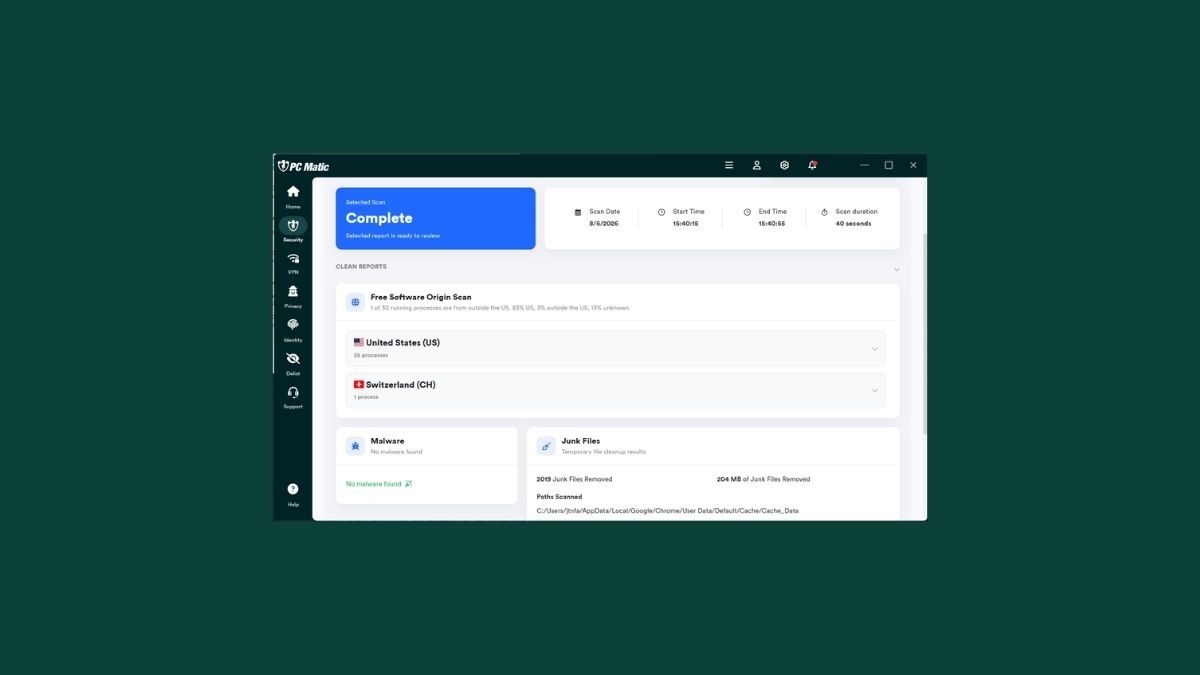
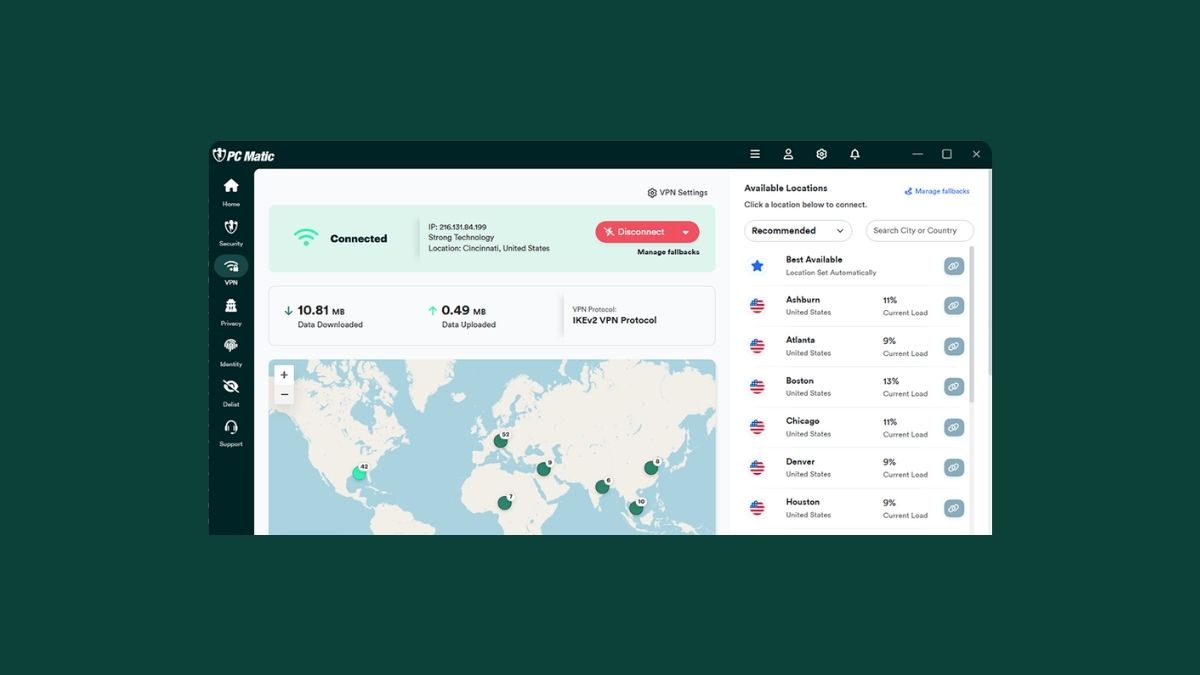
Antivirus protects you from malware—including AI-powered attacks—while a VPN shields your privacy on public Wi-Fi, making it harder for criminals to spy on your activity.
Why a Prevention-First Approach Matters
Traditional security tools often focus on detecting known threats. But when criminals are using AI to create endless new variations, detection alone isn’t enough.
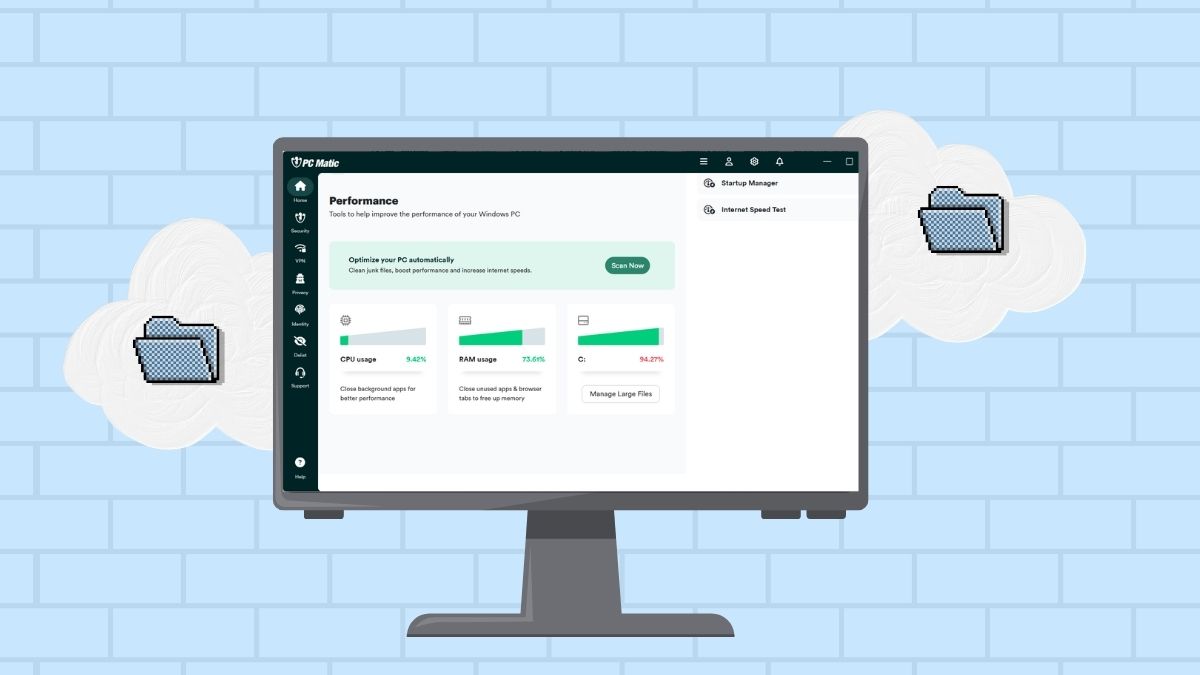
That’s why PC Matic takes a prevention-first approach. Instead of assuming unknown files are safe until proven harmful, PC Matic’s allowlisting blocks anything that isn’t trusted—stopping threats before they can run. Combined with built-in performance tools, VPN protection, and identity theft safeguards, it’s a solution designed for today’s AI-driven world.
AI is changing cybercrime at lightning speed. Scams are more convincing, malware is more sophisticated, and threats are harder to spot. But with the right habits and tools, you can stay one step ahead.
Start by strengthening your passwords, enabling MFA, and staying cautious about messages that seem too urgent or too real. Then, back yourself up with trusted protection like PC Matic’s Antivirus and VPN.
Hackers may have AI on their side—but with prevention-first security, so do you.